A light roast looks understated in the bag. The beans are pale brown and dry to the touch, with none of the dark sheen that comes from oils sitting on the surface of a darker roast. Then you brew it, and the cup is anything but quiet. Citrus, flowers, fruit, a snap of acidity, and a body light enough that you notice the texture as much as the taste.
Those traits don't happen by accident. They come from stopping the roast earlier, before heat has a chance to push the beans toward the heavier, caramelized flavors that define darker roasts. Knowing what light roast coffee does well, and who tends to like it, makes it a lot easier to decide whether it belongs in your rotation.
What Counts as a Light Roast
Light roast coffees are usually identified by three visible things: a light brown color, an absence of oil on the bean surface, and a light body, or viscosity, in the cup. One comparison of roast levels points out that the difference between light and dark isn't as simple as color alone, since how far the roast develops shapes flavor in ways a color chart can't fully capture.
Roast timing matters too. One roasting profile places light roast development at roughly 10 to 11 minutes in the roaster, which is early enough that the bean keeps much of its original structure. The result is a cup that reads as bright, clean, sour, acidic, and sometimes tea-like, a set of descriptors that shows up again and again across roast guides.
The Flavor Characteristics That Define Light Roast
Ask three roasters to describe a light roast and you'll hear variations on the same theme. The core characteristics tend to include:
-
Bright acidity that gives the cup its lift
-
Citrus and fruit-forward flavors
-
Floral aromatics, especially in the aroma
-
A clean finish, sometimes described as tea-like
-
Layered complexity that shifts as the coffee cools
-
A light body with lower viscosity than darker roasts
-
Origin character that stays front and center
Multiple sources describe the same core profile: vibrant, high in acidity, and heavy on floral and fruity notes. Light roast is also described as emphasizing brightness and mildness, which sounds contradictory until you taste it. Mild in weight, bright in flavor. The roast lets the natural character of the bean's origin come through instead of covering it up.
Why Light Roast Tastes the Way It Does
Light roasts typically retain more of the coffee bean's natural acids, and those retained acids are what create the brighter, livelier flavors drinkers describe as citrusy. Roasting is basically applied heat over time. Stop the process early and the bean holds onto more of what it had as green coffee: the acids, the aromatics, the specific character of where it grew.
Keep roasting and those notes get gradually covered over. Darker roasts are bolder and pick up heavier caramelized flavors as development continues. That's why two coffees from the same farm can taste wildly different depending on roast level alone, and why light roast tends to be the choice for anyone who wants to taste origin rather than roast.
A Quick Reference for Light Roast Characteristics
|
Characteristic |
What light roast typically shows |
|---|---|
|
Bean color |
Light brown |
|
Bean surface |
Dry, with no oil visible |
|
Body |
Light, with lower viscosity |
|
Acidity |
High and bright |
|
Flavor notes |
Fruity, floral, citrus-forward, sometimes tea-like |
|
Overall impression |
Bright, clean, complex |
|
Origin character |
Preserved and easy to taste |
|
Roast timing |
About 10 to 11 minutes in one standard profile |
Acidity Is a Feature, Not a Defect
The word acidic often gets read as sour, and sour gets read as bad. In coffee, acidity is the quality that makes a cup taste alive. Sources describe light roasts as bright, lively, and citrusy, and some even use the word sour directly to describe how light roast can come across. That reads as a flaw to drinkers who expect a smooth, low-acid cup, but it's the same trait that lets a light roast taste like where it grew rather than like the inside of a toaster.
Coffees roasted light are also described as emphasizing mildness alongside high acidity. Mild refers to the weight and the absence of heavy roast bitterness. Bright acidity plus a light body is the combination that gives light roast its distinct personality, and it's a big part of why the style has gained popularity both in specialty coffee and among casual drinkers.
What About the Caffeine?
The idea that light roast coffee is packed with caffeine gets repeated often enough that people buy it for that reason alone. The sources reviewed for this article describe flavor, body, and acidity in detail, and caffeine expectations do come up as part of the light versus dark roast decision, but they do not establish that a light roast delivers more caffeine than a dark one. If caffeine amount matters to you, treat roast level as a flavor choice and confirm the details with your roaster or on the bag you're buying.
Brewing Light Roast Coffee
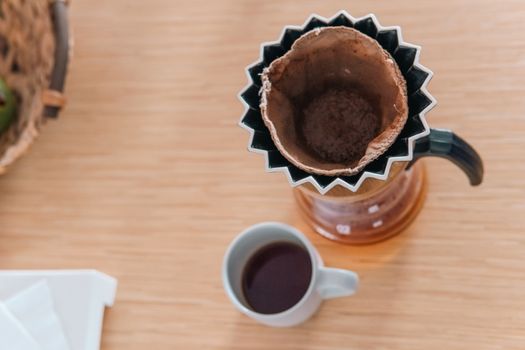
Because the body is lighter and the flavor leans bright, light roasts are commonly paired with pour-over and other specialty brewing methods that let those qualities show through. Brewing method is part of the overall roast decision, right alongside flavor preference.
If your usual setup is built around a heavy, dark-roasted cup, a light roast may taste thin the first time you brew it. That's normal. The acidity, fruit, and floral notes sit closer to the surface, so the cup asks a little more attention from you and rewards it with flavors a dark roast simply doesn't have room for.
Who Tends to Prefer Light Roast
One roast profile summary lists light roast as best for drinkers seeking acidity, value, and origin flavor. That's a useful shorthand. In practice, light roast tends to suit:
-
Drinkers who like citrus, floral, and fruit-forward notes
-
Anyone who wants to taste the difference between one origin and another
-
People who prefer a lighter body over a syrupy, heavy cup
-
Coffee fans who want the bean's natural acids left intact
Drinkers chasing bold, heavy, caramelized flavor typically land on dark roast instead, and that's a completely reasonable place to be. Medium roast serves as the middle ground for anyone who wants some brightness without going all the way to the light end of the spectrum.
Light Roast Coffee at Just Dang Good Coffee
Light roast is one of three roast-level collections here, sitting alongside medium and dark. The lineup includes the Texas City Series, roasts named after Texas cities such as Amarillo, Austin, Dallas, and El Paso, plus single-origin coffees from Guatemala, Brazil, and Ethiopia. Bags come as 12-ounce whole bean or ground, and there are 12-count pods if you brew that way. Shipping is free on orders over $50.
If you're not sure which end of the roast spectrum you fall on, ordering a light roast and a dark roast and tasting them side by side is the fastest way to find out. The difference is obvious in the first sip.
Frequently Asked Questions
What does light roast coffee taste like?
Light roast coffee typically tastes bright, clean, and acidic, with fruity and floral notes up front and citrus flavors running through the cup. Many drinkers describe the body as light and sometimes tea-like. Because the roast stops early, the coffee keeps more of the character of the bean and its origin, so flavors shift noticeably from one coffee to the next.
Is light roast coffee more acidic?
Yes, in the way that matters for flavor. Light roasts typically retain more of the coffee bean's natural acids, which is what produces the brighter, livelier, citrusy flavors associated with this roast level. High acidity is one of the most consistently listed light roast characteristics. That acidity reads as brightness rather than harshness to many drinkers, though taste is always personal.
Does light roast coffee have more caffeine?
The research behind this article does not establish a measured caffeine difference between roast levels. Caffeine expectations do come up as part of the light versus dark roast decision, but the sources reviewed here focus on flavor, body, and acidity rather than caffeine numbers. If caffeine content matters to you, check the roaster's information or the bag.
Is light roast good for pour-over?
Light roast coffee is commonly brewed with pour-over and other specialty methods, which suit its bright, clean, complex character and light body. The high acidity and lighter viscosity that define the roast show up clearly in a pour-over cup. That said, brewing method is only one part of the picture, alongside your own flavor preference and daily routine.
How is light roast different from dark roast?
Light roast coffee is bright, clean, acidic, and sometimes tea-like, with a light body and no oil on the bean surface. Dark roast coffee is bolder and picks up heavier caramelized flavors during longer roasting. Light roast preserves more origin character, while dark roast emphasizes the roast itself. Neither is better. They simply suit different tastes and different brewing habits.

