Guatemalan coffee has a reputation that shows up in the first sip, not in a marketing paragraph. Chocolate leads. Citrus and fruit sit right behind it. Caramel, toffee, spice, and a nutty sweetness fill in the rest. Guatemala is one of Central America's highest coffee producing countries, and much of its trade depends on agriculture, which means these flavor profiles have had generations of attention behind them.
Here is what to expect from a bag of Guatemalan beans, how the notes differ between growing regions, and what roast level does to the chocolate and orange zest people keep talking about.
The Core Guatemala Coffee Flavor Notes
Ask anyone who cups Guatemalan coffee to describe it and chocolate usually comes out first. The most consistent descriptions of the country's beans point to a full body, a rich chocolatey-cocoa flavor, and a toffee-like sweetness. From that base, the details branch out.
-
Chocolate and cocoa, the anchor note in most Guatemalan cups
-
Toffee and caramel sweetness layered underneath
-
Citrus, often described as orange zest or lemon
-
Soft spice, subtle rather than sharp
-
Cashew and brown sugar in certain regional lots
-
Fruity, moderately acidic character across the country's coffees
-
Floral hints in highland Strictly Hard Bean coffees
That combination is why Guatemalan coffee reads as rich and multidimensional rather than one-note. One widely cited tasting description of a Guatemalan Antigua pairs lemon, chocolate, and soft spice notes in a cup that stays consistent from one pour to the next.
Why Guatemalan Coffee Tastes Like Chocolate, Citrus, and Spice
Soil does a lot of the work. The volcanic ash in Guatemalan growing soil contributes to the coffee's balanced flavor profile, which is commonly described as having notes of chocolate and caramel. Volcanic soil shows up again and again as a key ingredient behind the country's bright acidity and complex notes of fruit, chocolate, and caramel.
Altitude matters too. The Strictly Hard Bean green coffees grown in the Atitlan and Antigua regions of the central highlands show the full body, chocolatey-cocoa depth, and toffee-like sweetness that define the national profile, along with floral character. Those two regions sit in the country's central highlands, where the combination of elevation and soil tends to produce a cup with structure and sweetness at the same time.
Flavor Notes by Region: Antigua and Huehuetenango
Guatemala is not a single flavor. Regional differences are big enough that two bags labeled Guatemalan can drink like different coffees.
|
Growing Area |
Typical Flavor Notes |
Body and Acidity |
Roast That Fits |
|---|---|---|---|
|
Antigua Valley |
Cocoa, spice, orange zest; lemon, chocolate, soft spice |
Medium to full, velvety body; balanced and bright acidity |
Light to medium |
|
Huehuetenango |
Chocolate, cashew, brown sugar |
Described with the same sweet, chocolate-forward structure |
Medium |
|
Atitlan and Antigua highlands (Strictly Hard Bean) |
Chocolatey-cocoa, toffee sweetness, floral accents |
Full body |
Medium |
Antigua is the name most people recognize, and it earns the attention. Beans from Antigua make a genuinely good medium roast with plenty of interesting aromatics and flavors. Huehuetenango leans toward a slightly different dessert case, with chocolate joined by cashew and brown sugar.
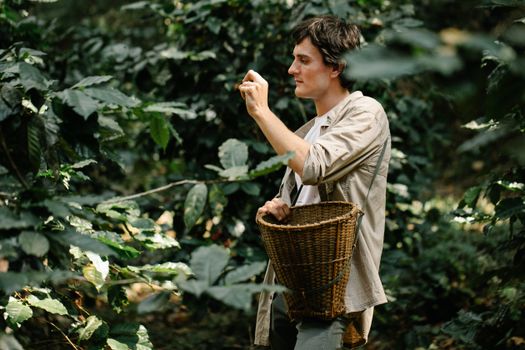
Chocolate and Toffee: The Base Layer
If you only remember one thing about Guatemalan coffee, remember that the chocolate is not a hint. It is the foundation. Sources describe the country's beans as having a rich chocolatey-cocoa flavor paired with toffee-like sweetness, which is why Guatemalan coffee so often gets compared to desserts without tasting artificial or syrupy.
That base layer is also why the coffee holds up in a range of brewing methods. A full body with cocoa and toffee at the center gives the cup weight, so the sweetness reads as rounded rather than thin. It is the kind of profile that satisfies people who normally reach for darker roasts while still offering something for anyone who drinks their coffee black.
Citrus and Fruit: The Bright Layer
Chocolate without contrast gets boring. Guatemalan coffee avoids that with a moderate acidic and fruity character that shows up differently depending on where the beans were grown. Antigua lots in particular get described with orange zest and lemon alongside the cocoa and spice.
This is the layer that surprises people who assume all Central American coffee tastes the same. The citrus is usually soft and integrated rather than sharp, sitting on top of the sweetness instead of cutting through it. In a light to medium roast, that brightness stays visible. Push the roast darker and it fades behind the chocolate.
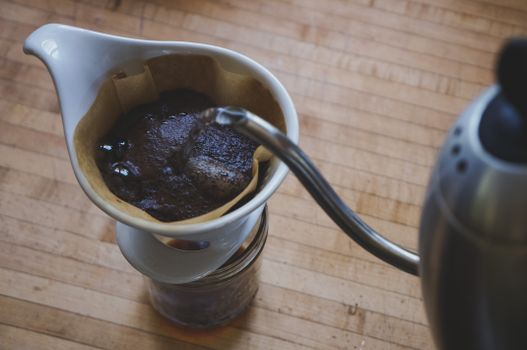
Spice, Nuts, and Brown Sugar: The Detail Notes
Beyond chocolate and citrus, Guatemalan coffee carries smaller notes that reward slower drinking. Soft spice appears in Antigua lots, subtle enough that it reads more like a warmth in the finish than a distinct flavor. Huehuetenango brings cashew and brown sugar into the mix, which nudges the cup toward a nutty, rounded sweetness.
Highland Strictly Hard Bean coffees add floral accents on top of the cocoa and toffee base. None of these notes are loud on their own. Together they are what makes a Guatemalan cup taste layered instead of flat.
How Roast Level Shapes the Flavor
Roast level decides which of those notes you actually taste. Antigua is commonly offered as a light to medium roast, and that range keeps the orange zest, lemon, and spice readable next to the cocoa. Medium roasts are a natural fit because the bean has enough sweetness and body to support them without turning ashy.
Go darker and the citrus recedes while chocolate, caramel, and toffee move forward. That is not a flaw, just a different drink. If you want the full range of Guatemala coffee flavor notes, a light or medium roast is where the citrus and floral edges survive. If you want the cocoa and toffee turned up, a darker roast delivers that.
Sweetness, Acidity, and That Sour Question
Guatemalan coffees are prized for distinctive moderate acidic and fruity flavors, and depending on the growing region they also tend to be very sweet. Undertones of chocolate and caramel add to that sweetness. Moderate acidity is a feature here, not a defect.
The distinction between bright and sour trips people up. One home brewer on r/Coffee asked whether a Guatemala medium roast was supposed to be sour, noting the beans came from a local roaster and seemed fairly fresh. The honest answer is that Guatemalan coffee should taste lively and fruity, not sharply sour. If a cup tastes aggressively sour rather than bright, the brew itself is often the place to look first, so adjust your method before writing off the bean.
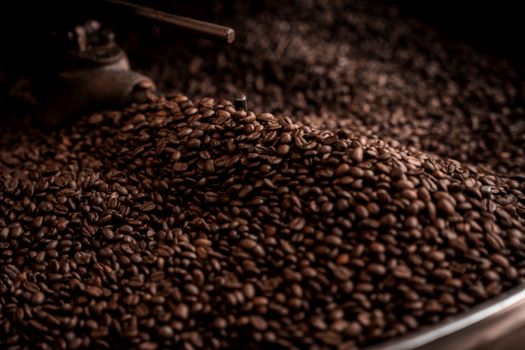
Finding a Guatemalan Roast You Will Actually Drink
Freshness and roast level matter more than the label on the front of the bag. Guatemalan coffee is at its best when the chocolate and citrus have not been roasted or aged into a flat, generic cup, which is why small-batch roasting and quick shipping make a real difference in what lands in your mug.
Just Dang Good Coffee carries a single-origin Guatemala alongside beans from Brazil, Ethiopia, Mexico, and Colombia, plus the Texas City Series roasts, all available as 12-ounce whole bean or ground bags and 12-count pods. Free shipping applies on orders over $50. If you are comparing origins for the first time, Guatemala is the one to try when you want chocolate and toffee with a citrus edge, and it pairs well with a medium roast if you are not sure where to start.
Frequently Asked Questions
What do Guatemalan coffee flavor notes typically taste like?
Most descriptions center on a full body with rich chocolatey-cocoa flavor and toffee-like sweetness, supported by moderate acidity and fruity character. Antigua lots often add orange zest, lemon, and soft spice. Huehuetenango leans toward chocolate, cashew, and brown sugar. Highland Strictly Hard Bean coffees can also carry floral accents on top of the cocoa and toffee base.
Why does Guatemalan coffee taste like chocolate and caramel?
Volcanic ash in the growing soil contributes to the coffee's balanced flavor profile, which is commonly described with chocolate and caramel notes. Volcanic soil is repeatedly cited as a key factor behind the country's bright acidity and complex fruit, chocolate, and caramel character. Altitude in the central highlands plays a role as well.
Is Guatemalan coffee supposed to be sour?
It is supposed to be moderately acidic and fruity, which can read as bright rather than sour. Guatemalan coffees are prized for distinctive moderate acidic and fruity flavors that are balanced by sweetness. If a cup tastes sharply sour instead, check your brewing method first, since under-extraction can create that impression even with good beans.
What is the difference between Antigua and Huehuetenango coffee?
Antigua Valley coffees are described with cocoa, spice, and orange zest, plus lemon, chocolate, and soft spice notes in a medium to full, velvety body with balanced, bright acidity. Huehuetenango is characterized by chocolate, cashew, and brown sugar. Both come from Guatemala and share the chocolate-forward backbone, but the supporting notes differ enough to notice.
What roast level works best for Guatemalan beans?
Antigua is commonly offered as a light to medium roast, and many drinkers find it makes a delicious medium roast with plenty of interesting aromatics. A light or medium roast preserves the citrus, spice, and floral notes, while a darker roast pushes chocolate, caramel, and toffee forward. Medium sits comfortably between the two.

