Brazilian coffee taste lands in a very specific place: nutty, sweet, and low on the sharp acidity that turns some drinkers away from brighter origins. Aromas of chocolate and nuts show up again and again in tasting descriptions, and the cup is usually called mild with a pleasant spiciness underneath the sweetness. If you want coffee that reminds you of roasted hazelnuts, caramel, and chocolate without much of a citrus bite, Brazil is the origin that delivers it.
It also comes from the world's number one coffee producing nation and largest exporter, so there is more of it to choose from than almost anywhere else. That volume is both a blessing and a puzzle, because Brazilian coffee varies enormously. Different beans, different regions, different processing, and different roasts all change what ends up in your mug.
What Brazil Coffee Tastes Like at a Glance
The vocabulary roasters use for Brazilian coffee is remarkably consistent. Chocolate leads, nuts follow, and sweetness holds the whole thing together.
| Tasting note | How it shows up in the cup |
|---|---|
| Chocolate | Called out as a chocolaty roast taste, ranging from soft cocoa to bittersweet depending on how dark the roast goes |
| Nuts | Roasted hazelnuts, peanut butter, and a nougat-like sweetness appear in tasting notes |
| Caramel and honey | Described as luscious caramel with honeyed aromas rounding out the middle of the sip |
| Fruit | Ripe fruit and mango show up in some lots, along with citrus aromas in others |
| Spice | A mild, pleasant spiciness sits quietly behind the sweeter notes |
| Acidity | Relatively low compared with many other coffee origins |
| Body | Varies by lot and roast, described anywhere from mild to full-bodied |
That last row matters. Brazilian coffee is not one flavor. One roaster's tasting notes for a single-origin Brazilian coffee described roasted hazelnuts with luscious caramel and chocolate, bright on the palate and full in body with balance and real sweetness. Another set of notes calls Brazilian coffee mild and relatively low in acidity. Both are accurate, because they describe different beans.
Why Brazilian Coffee Leans Nutty and Sweet
Brazil has a remarkably diverse climate and topography, and that range is a big part of why Brazilian coffee varies so much from lot to lot. A bean grown on one farm can taste like peanut butter and ripe fruit, while a bean from a neighboring region tastes like cocoa and toasted nuts.
Processing plays a role too. Natural process lots, where the fruit stays on the bean while it dries, tend to land squarely in the sweet and nutty lane. A home roaster who took a natural Brazil to a light medium roast found it very nougat-y and pleasant, which is the kind of candy-like sweetness the origin is known for. Roasters also describe aromas of chocolate, honey, and citrus, or mango, peanut butter, and ripe fruit in Brazilian offerings, so there is room for a little surprise even inside a familiar profile.
Chocolate, Nuts, and a Hint of Spice
Chocolate and nuts are the two notes that come up most often. That combination is why Brazilian coffee feels familiar even to people who do not spend much time thinking about origins. It tastes like coffee, in the way most people picture coffee tasting, with toasted nut aromas and cocoa depth.
The mild spiciness is the part people do not expect. It is gentle, sitting underneath the chocolate rather than over the top of it, and it adds a little movement to what could otherwise be a very straightforward cup. In darker roasts, that chocolate note turns bittersweet, and the nuttiness gets pulled toward roasted, almost smoky territory.

Sweetness: Caramel, Honey, and Ripe Fruit
Sweetness is the thread running through all of it. Depending on the lot, that sweetness can taste like caramel, honey, nougat, or ripe fruit. Peanut butter is not an exaggeration either; it shows up in published tasting notes for Brazilian coffee.
This is what makes Brazilian beans forgiving and easy to drink. The sweetness does not need a bright, acidic frame to stand out. It sits in the middle of the cup, which is exactly where most drinkers want it. Single-origin Brazilian coffee from a named farm tends to show more layered sweetness, while broader regional coffees lean simpler and rounder.
Low Acidity and a Mild Disposition
Brazilian coffee is described as relatively low in acidity, and that single characteristic explains a lot about why the origin has such broad appeal. Coffee drinkers who find bright, fruit-forward cups too sharp or too tea-like often find Brazil easier to handle first thing in the morning.
That lower acidity also makes the nutty and sweet notes easier to isolate. Nothing is fighting for attention. The cup is mild, chocolaty, and bittersweet in the finish, with the kind of balance that does not demand a lot of analysis. Low acidity does not mean flavorless. It means the flavor is shaped by sweetness and roast rather than by bite.
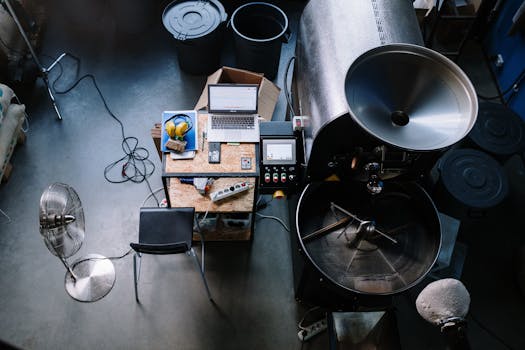
How Brazil Coffee Tastes as Espresso
Brazilian beans hold up well in espresso. One drinker pulling shots from Brazilian beans described the flavor moving from sour or bitter toward almost sweet, with noticeable depth and thick crema. That transition from sharp to sweet is the signature of a well-extracted Brazilian espresso.
The nutty, chocolate, and caramel notes common in Brazilian coffee carry through in concentrated form, which is why the origin shows up so often in espresso blends and as a standalone single origin. If you usually drink your espresso with milk, the chocolate and hazelnut notes in a Brazilian roast are the ones that survive the addition.
How Roast Level Changes the Cup
Roast level shifts the flavor more than most people expect. A light medium roast of a natural Brazil tasted very nougat-y and pleasant to a home roaster, keeping the sweetness forward and the nuttiness soft. Push the roast darker and the same beans turn toward bittersweet chocolate and deeper, roastier tones.
Medium roasts tend to be the sweet spot for Brazilian coffee, because they keep the caramel and honey notes intact while still developing the chocolate. Dark roasts trade some of that delicacy for weight and a lingering, bittersweet finish. Light roasts can work, but they leave less margin for error in how you brew.
Where Brazilian Coffee Grows
Brazil is the world's largest coffee exporter, and the country's climate and topography allow coffee to be grown across a wide spread of conditions. Minas Gerais is one of the well-known producing states, and single-origin Brazilian coffee from named farms there is common. One example is a single-origin Brazilian coffee from Fazenda Santa Cecilia in Minas Gerais.
Microlots add another layer. One Brazilian microlot, Espinho, is a Paraiso varietal, the kind of detail that tells you a specific lot was separated and sold on its own character rather than blended into a larger regional offering. If a bag you are considering lists a farm, a varietal, or a region, that is usually a sign the coffee was handled with more attention than a generic Brazilian blend.
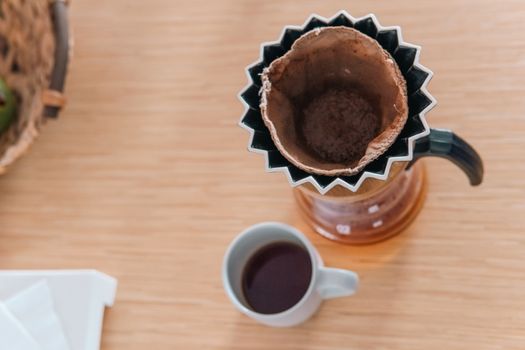
Drinking Brazil Coffee at Home
Brazilian coffee is one of the least fussy origins to brew at home. A few practical notes:
- Start with a medium roast if you want the nutty and sweet notes front and center, and go darker if you want bittersweet chocolate.
- Keep the extraction even. Brazilian coffees are sweet when brewed well, but the low acidity means bitterness has nothing to hide behind if you over-extract.
- Try the same coffee in drip and in espresso. The flavor changes more between brew methods with Brazil than with many other origins.
- Store the bag sealed and away from heat, since the chocolate and nut notes fade faster than the roast character does.
Just Dang Good Coffee roasts a single-origin Brazil alongside its Guatemala and Ethiopia offerings and its Texas City Series, all in small batches and available as whole bean or ground 12 ounce bags and 12-count pods. Free shipping kicks in on orders over $50.
Frequently Asked Questions
What does Brazil coffee taste like?
Most descriptions of Brazilian coffee land on chocolate and nuts first, with sweetness close behind. Roasters mention roasted hazelnuts, caramel, and chocolate, plus aromas of honey and citrus in some lots. The cup is generally mild with a pleasant spiciness, and it is relatively low in acidity, which keeps the overall impression smooth and sweet instead of sharp.
Is Brazilian coffee low in acidity?
Yes, low acidity is one of the most consistent things said about Brazilian coffee. It is described as relatively low in acidity with a nutty, sweet flavor that often turns bittersweet and chocolaty depending on the roast. That lower acidity is a large part of why the origin suits drinkers who find brighter, fruit-forward coffees too sharp.
Is Brazilian coffee good for espresso?
It works very well in espresso. One drinker pulling shots of Brazilian beans described the flavor shifting from sour or bitter toward almost sweet, with noticeable depth and thick crema. The nutty, chocolate, and caramel notes common in Brazilian coffee carry through milk, which is why the origin appears so often in espresso blends.
What is natural Brazil coffee?
Natural refers to how the coffee was processed after picking. The fruit stays on the bean while it dries, which tends to round out the cup. A home roaster who took a natural Brazil to a light medium roast found it very nougat-y and pleasant, a good example of the sweet, nutty profile that natural Brazilian lots are known for.
Is Brazilian coffee always single origin?
No, it is sold both ways. Plenty of Brazilian beans go into blends, but single-origin Brazilian coffee is easy to find, including lots from named farms and regions. One example is a single-origin Brazilian coffee from Fazenda Santa Cecilia in Minas Gerais. Single-origin bags let you taste the nutty, sweet character of Brazil on its own.

